
Advanced Dentistry
Root Canal Treatment and Endodontics
Endodontics is the care of the pulp, the soft tissue inside a tooth. The most common endodontic treatment is a root canal, and despite its reputation it is a fairly quick and comfortable visit. It ends tooth pain rather than causing it, and it saves a tooth that would otherwise have to come out.
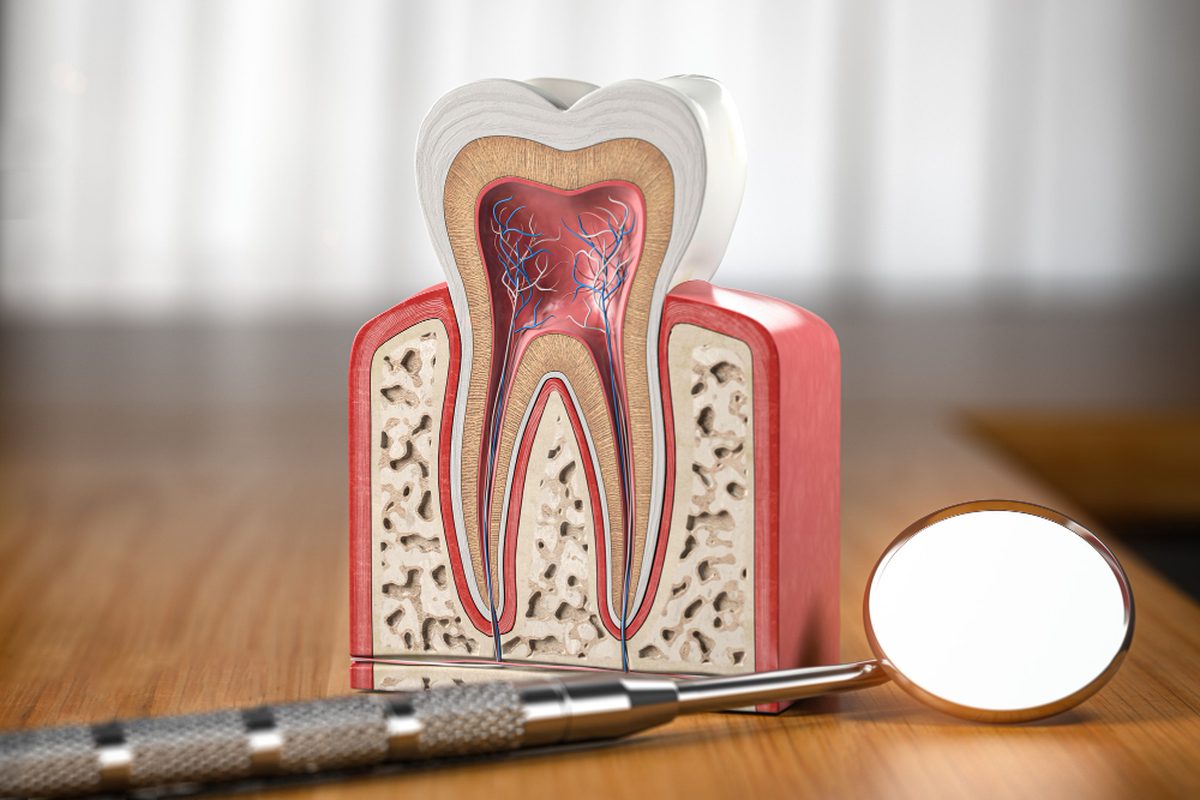
Signs the Pulp May Be Damaged
- Tooth pain that does not go away
- Sensitivity to hot or cold that lingers
- Swollen or tender gums near the tooth
- A tooth that turns darker
- A pimple-like bump on the gum, a sign of an abscess
Pulp damage does not always cause symptoms, which is one more reason to keep up with regular exams. If we find damage, a root canal is usually the way to save the tooth.
What Happens During a Root Canal?
We numb the area first and add sedation if you need it. Then we make a small opening in the tooth, remove the damaged pulp, and clean, shape and disinfect the inside. The canals are filled with a rubber-like, biocompatible material called gutta-percha and sealed completely. Most patients say they feel only minor discomfort.
A tooth is more brittle after a root canal, so we usually recommend a custom dental crown to bring back its strength, shape and function.
Caring for the Tooth Afterward
Brush at least twice a day, floss daily and keep your regular exams and cleanings. With that care, a tooth that has had endodontic treatment can last a lifetime.
Gentle Endodontic Care in Whitesboro
If a tooth is hurting, do not wait it out. Main Street Dental Smiles offers calm, comfortable endodontic treatment that keeps your natural tooth where it belongs.